
Security Guard Services in Orange, California
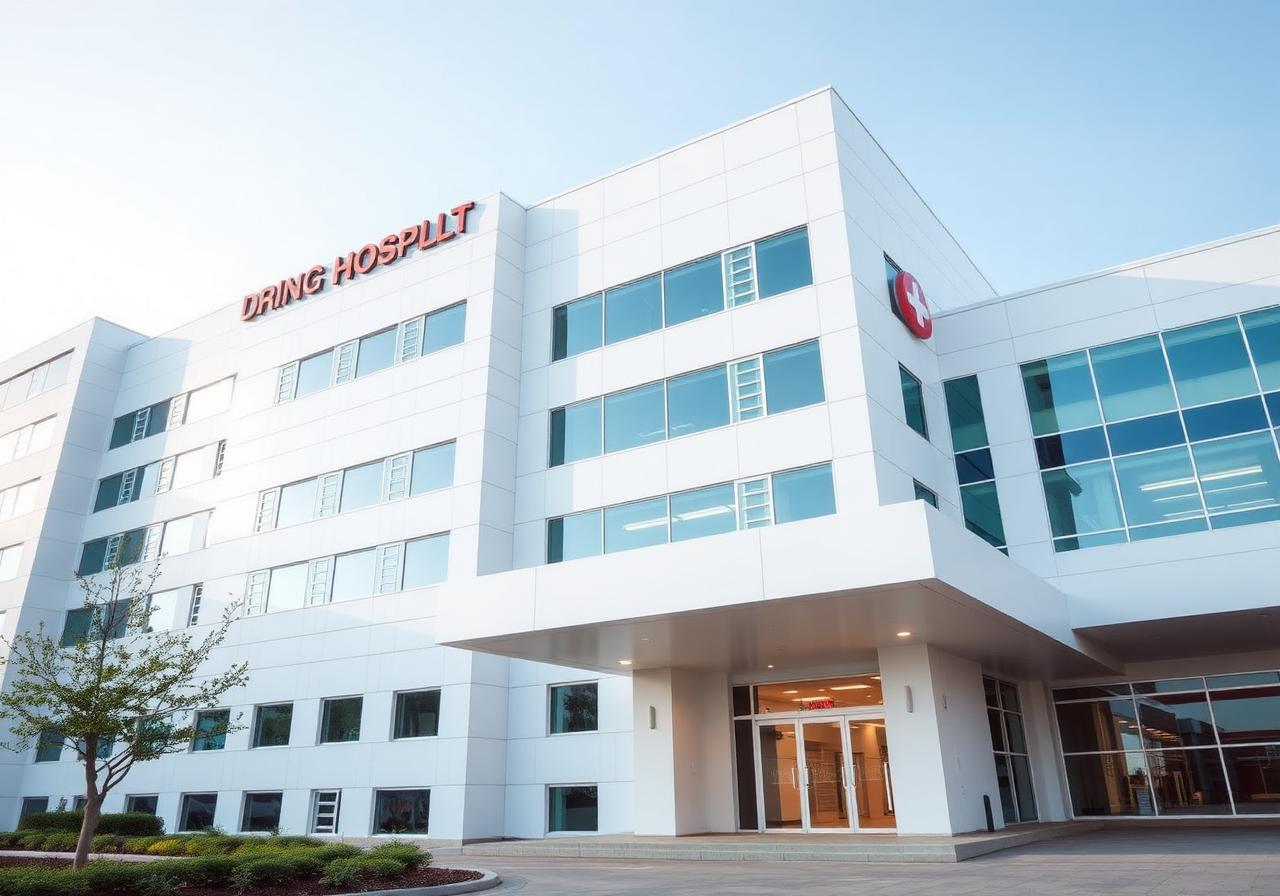
Medical and institutional properties alongside commercial corridors, retail and historic residential neighborhoods.
Security Coverage in Orange, Orange County
The City of Orange carries a heavier concentration of medical, educational and institutional property than most of the county, sitting alongside commercial corridors, retail centers and historic residential neighborhoods. Those environments are public by design — people arrive stressed, unwell or unfamiliar with the building — so officer conduct and precise documentation matter more than visible hardening.
Luminex Security Group provides unarmed officers, commercial coverage, medical office and healthcare-adjacent support, education-related property coverage, retail and residential programs, construction security, mobile patrol and fire watch for qualifying properties in the city.
Security Programs Available in the City of Orange
Programs commonly requested by medical, commercial, institutional and residential properties here.
- ServiceUnarmed Security
Uniformed officers for access control, deterrence and daily activity reporting.
View details → - ServiceMobile Patrol
GPS-tracked patrol units with randomized timing and checkpoint verification.
View details → - ServiceRetail Security
Loss prevention and uniformed presence for stores and shopping centers.
View details → - ServiceResidential Security
Gate posts, roving patrols and resident-facing officers for communities and estates.
View details → - ServiceConstruction Security
Overnight and weekend coverage for active jobsites, trailers and equipment.
View details → - ServiceFire Watch
Compliance-focused coverage while sprinkler or alarm systems are impaired.
View details → - ServiceEvent Security
Credentialing, crowd flow and VIP control for events of any size.
View details →
Industries We Protect
- IndustryHealthcare
Reception posts, controlled areas and de-escalation-trained officers.
View details → - IndustryMedical Offices
Front-desk coverage and parking-area patrol for clinics.
View details → - IndustryCommercial Offices
Lobby posts, tenant access control and after-hours building coverage.
View details → - IndustryEducation
Campus access points, visitor screening and after-hours patrol.
View details → - IndustryRetail Stores
Storefront deterrence, shrink reduction and trespass enforcement.
View details → - IndustryApartments & Multifamily
Resident-facing officers, parking enforcement and night coverage.
View details → - IndustryParking Facilities
Structure sweeps, vehicle-crime deterrence and incident reporting.
View details → - IndustryConstruction Sites
Jobsite access control, material protection and documented patrols.
View details →
Security Services for Properties in the City of Orange
In a medical office or clinic, the front-of-house post is a patient-experience role as much as a security one. Officers direct arrivals, keep waiting areas orderly, watch for the situation that is escalating before it becomes an incident, and support staff who are managing distressed family members. That work depends on de-escalation as the default posture — voice, distance, patience, and involving clinical staff or law enforcement according to the property's written rule rather than improvising.
Controlled areas within medical buildings need explicit definition. Which corridors are staff-only, where pharmaceutical and sample storage sits, which doors must never be propped, what happens when a badge-controlled door is found open — these belong in the post orders in plain language. Officers verify those doors on rounds and record what they found, because a clinic's own compliance and insurance processes generally require a written trail rather than an assurance.
Parking structures and lots at medical and institutional properties are the most common source of complaints and the easiest thing to cover well. Rounds concentrate on stairwells and elevator lobbies, patient drop-off zones that get blocked, disabled-space misuse, staff walking to vehicles after evening appointments, and vehicles dwelling without an appointment. Escorts to a vehicle on request are a low-cost addition that staff use more than most properties expect.
Education-related property coverage sits mostly outside instructional hours. Typical scope is access-point coverage at defined entrances during arrival and dismissal windows, visitor direction to a single check-in location, after-hours and weekend patrol of buildings, athletic areas and parking, and coordination with facilities staff on which spaces are booked for evening use. Officers work to the institution's own visitor and incident policy — the program supports it rather than replacing it.
Commercial and retail properties in the corridors run a more conventional program: daytime presence, closing support, patrol of lots and service areas, and documented handling of loitering and trespass. Historic residential neighborhoods and multifamily properties generally use an evening post with roving patrol, parking enforcement and consistent written reporting to management or the board.
Construction and renovation work is frequent in and around institutional properties, and it deserves separate treatment because it usually runs adjacent to occupied buildings. Overnight and weekend officers cover material and equipment storage, subcontractor access is funneled through one gate with a log, and rounds check hoarding, temporary fencing and the interface between the site and the areas the public still uses.
Voice, distance and patience first, with clinical staff or law enforcement involved according to the property's written rule.
Staff-only corridors, storage rooms and never-prop doors named in post orders and verified on rounds with written findings.
Stairwell and elevator-lobby rounds, blocked drop-off zones, disabled-space misuse, and escorts to vehicles on request.
Coverage at defined entrances during arrival and dismissal, with visitors directed to a single check-in location.
Hoarding, temporary fencing and public interface checked where construction runs alongside buildings still in use.
How the Program Is Run
Patrol routes, checkpoint scans and incident reports are logged through the Luminex system, so coverage on your property is verifiable rather than assumed.
California PPO-licensed operation with BSIS-registered officers and current liability coverage.
Written from a walkthrough of the property, not copied between accounts.
Timestamped reports, photographed findings and incident records ownership can review.
Field supervision on rotation and management reachable outside business hours.
Frequently Asked Questions
Do you provide security for medical offices in Orange?
+
Yes. Medical office coverage generally includes a front-of-house post directing arrivals and keeping waiting areas orderly, verification of staff-only and controlled-storage doors on rounds, parking patrol, and de-escalation-focused conduct with written documentation of every incident.
Can Luminex provide security for commercial properties?
+
Yes. Commercial programs here typically combine daytime presence, closing support, patrol of parking and service areas, and documented handling of loitering, trespass and vandalism, with reporting formatted for ownership or the property manager.
Do you provide security for education-related properties?
+
Yes, primarily outside instructional hours. Scope commonly covers defined access points during arrival and dismissal windows, directing visitors to a single check-in location, and after-hours and weekend patrol of buildings, athletic areas and parking, working to the institution's own visitor and incident policy.
How do officers handle a distressed visitor or patient?
+
De-escalation is the default posture — increase distance, lower tone, involve clinical or site staff, and escalate to law enforcement only where the property's written rule directs it. The interaction is then documented factually for the property's records.
Can officers escort staff to their vehicles after evening appointments?
+
Yes. Escorts on request are a standard addition to medical and institutional programs and are usually written into the post orders alongside the parking round schedule.
Do you provide fire watch and construction coverage in the City of Orange?
+
Yes. Fire watch is assigned when sprinkler or alarm systems are impaired, with logged rounds and documentation for the fire authority and insurer. Construction coverage funnels subcontractor access through one logged entry point and checks hoarding and fencing where a site adjoins occupied buildings.
Can I request a security proposal for my property in Orange?
+
Yes. Submit the property type, address, coverage hours and your main concerns through the proposal request form and a representative will follow up to confirm scope before pricing.
Need security in Orange?
Tell us about your property, location, schedule and security requirements.